
Roundup Lawsuit - Compensation for Cancer Victims
If you’ve been diagnosed with cancer after using Roundup, you may be entitled to compensation. Speak with a Roundup lawsuit attorney today to explore your options and get the justice you deserve.
- Free, No-Obligation Case Review
- No Upfront Fees - We Only Win If You Win
- 100% Confidential & Secure
See If You Qualify
A Few Seconds Is All It Takes To See If You Have A Valid Case
Get the Legal Support You Deserve
We connect individuals with trusted attorneys to help them navigate legal challenges. Whether it’s personal injury, a class action lawsuit, or legal advice, our team ensures you’re supported every step of the way, empowering you to get the justice you deserve.
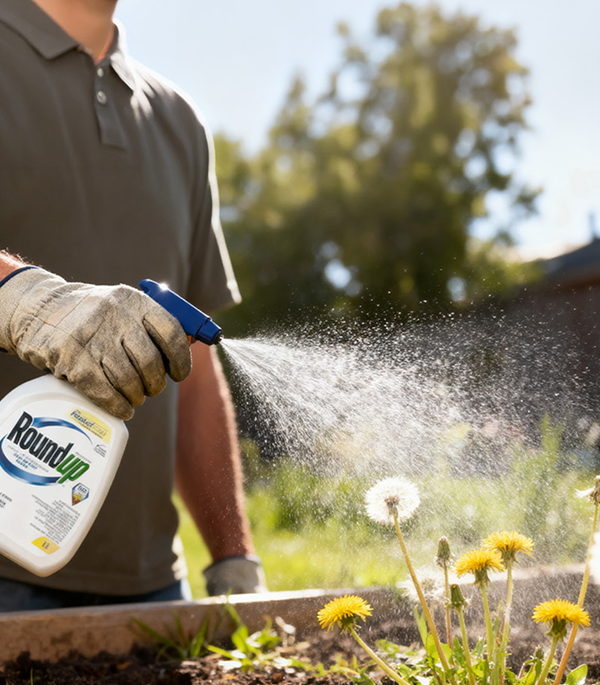
What is the Roundup Lawsuit?
The Roundup lawsuit involves claims against Bayer (which acquired Monsanto, the maker of Roundup) for causing cancer through exposure to glyphosate, the active ingredient in Roundup. Over the years, thousands of individuals have filedlawsuits after developing cancer, including non-Hodgkin’s lymphoma, as a result of using the herbicide for years.

What are the Claims?
The claims in the Roundup lawsuit focus on the failure of Monsanto and later Bayer to adequately warn consumers about the cancer risks associated with Roundup. Plaintiffs allege that:
- Glyphosate exposure causes cancer, particularly non-Hodgkin’s lymphoma and other related diseases.
- Monsanto did not provide proper warnings or conduct adequateresearch on the health risks of Roundup.
- Defective product design, where glyphosate-based herbicides caused harm due to a lack of safety measures.
- Negligence on the part of Monsanto and Bayer for failing todisclose the risks to consumers.
How does Roundup Cause Cancer?
Glyphosate, the active ingredient in Roundup, has been linked to cancer by scientific studies and regulatory agencies. The World Health Organization (WHO) classified glyphosate as a probable carcinogen in 2015, stating that it may increase the risk of non-Hodgkin’s lymphoma (NHL) and other cancers.
When glyphosate enters the body, it may damage DNA and increase inflammation, which can lead to the development of cancer cells. Individuals who have been exposed to Roundup over extended periods of time are at a higher risk of developing these diseases.
Linked Diseases Include:
- Non-Hodgkin’s lymphoma (NHL)
- B-cell lymphoma
- T-cell lymphoma
- Chronic lymphocytic leukemia (CLL)
- Hairy cell lymphoma
- Burkitt lymphoma
- Mucosa-associated lymphoid tissue lymphoma (MALT)
Who is Eligible for the Roundup Lawsuit?
To qualify for the Roundup lawsuit, the following conditions must apply:
Cancer diagnosis
Must have been diagnosed with non- Hodgkin’s lymphoma or one of the other qualifying cancers within 20 years of using Roundup.
Roundup exposure
Must have been exposed to Roundup or a similar product (Honcho Plus, Ranger Pro) from 1990 or later for at least 3 years before diagnosis.
Age Requirement
Must have been 18-80 years old at the time of diagnosis.
No prior conditions
Must not have had HIV, Hepatitis B or C, or other specific conditions listed before diagnosis.
Proof of use
Must be able to confirm product usage and exposure to Roundup with purchase records or detailed testimony.
Relapsed cancer
If cancer has relapsed after using Roundup, the relapse must have occurred within the last 20 years.
Roundup Lawsuit Compensation
If you qualify for the Roundup lawsuit, the compensation you may receive will depend on several factors. What You Can Expect:
Severity of illness
The more severe your diagnosis and symptoms, the higher the potential payout.
Medical expenses
Compensation can help cover the cost of cancer treatments, surgeries, and ongoing care.
Lost wages
If your illness caused you to miss work, you may be entitled to compensation for lost income.
Pain and suffering
Compensation for emotional distress, pain, and the overall impact on your quality of life.
How to File a Roundup Lawsuit?
Filing a Roundup lawsuit involves several key steps:
Consult with an attorney
A skilled lawyer will help assess your case, determine your eligibility, and guide you through the legal process.
Gather evidence
Collect medical records, documents showing your exposure to Roundup, and any other relevant evidence.
File your claim
Your attorney will file your lawsuit with the court, presenting your case to support your compensation claim.
Speak to a Roundup Lawsuit Attorney Today
Don’t wait to seek the justice and compensation you deserve. Our network of
experienced attorneys is ready to evaluate your case for free and with no obligation.
Frequently Asked Questions
What is the Roundup lawsuit about?
The Roundup lawsuit involves individuals who have developed cancer, such as non-Hodgkin’s lymphoma, after using Roundup, a popular herbicide. Plaintiffs claim that the herbicide’s active ingredient, glyphosate, causes cancer.
Can I file a Roundup lawsuit if I have been diagnosed with cancer?
If you’ve been diagnosed with cancer, including non-Hodgkin’s lymphoma, B-cell lymphoma, or other qualifying cancers, after using Roundup, you may be eligible to file a lawsuit and seek compensation.
What cancers are linked to Roundup exposure?
Roundup has been linked to various types of cancers, including non-Hodgkin’s lymphoma, B-cell lymphoma, T- cell lymphoma, chronic lymphocytic leukemia (CLL), and several other types of lymphoma and leukemia.
How much compensation can I expect from a Roundup lawsuit?
Compensation varies depending on factors like the severity of your cancer, treatment costs, lost wages, and the impact on your life. Some settlements have reached millions of dollars, but each case is unique.
What is the statute of limitations for filing a Roundup lawsuit?
The statute of limitations typically gives you a limited time to file a lawsuit. Depending on the state, this could range from a few years to 20 years after your diagnosis or last exposure. Contact a lawyer for specific timelines.
Do I need a lawyer to file a Roundup lawsuit?
Yes, it’s highly recommended to consult with a Roundup lawsuit attorney. A lawyer specializing in mass tort cases will help assess your claim, gather evidence, and guide you through the legal process to maximize your compensation.
How do I prove Roundup caused my cancer?
You’ll need to provide medical records showing your cancer diagnosis, as well as evidence of your exposure to Roundup, such as product purchase history or records of use over time.
Can I file a lawsuit if I no longer use Roundup?
Yes, even if you stopped using Roundup years ago, you can still file a lawsuit if you developed cancer as a result of exposure. Compensation claims are based on your diagnosis and history of exposure, regardless of whether you are still using the product.